

Naria Foundation’s mission is to expand access to culturally sensitive, evidence-based counselling and supportive wellness programs for individuals experiencing psychological distress related to trauma, loss, or major life changes.
Through counselling support, community partnerships, educational initiatives, and wellness activities, we aim to empower individuals to develop resilience, strengthen coping strategies, and move toward emotional healing and personal stability.
Naria Foundation envision a community in which individuals facing psychological and emotional challenges have timely access to compassionate, culturally responsive counselling and supportive resources that foster healing, resilience, and well-being.
Compassion and Respect
Naria Foundation believes every individual deserves dignity, understanding, and compassionate support.
Cultural Sensitivity and Inclusion
Naria Foundation honors the diversity of cultural, social, and personal experiences and strive to provide services that are respectful and inclusive.
Evidence-Based Care
Naria Foundation supports counselling and wellness programs that are informed by established psychological and therapeutic practices.
Empowerment and Resilience
Naria Foundation aims to help individuals strengthen their capacity to cope with adversity and regain a sense of meaning, connection, and hope.
Community Collaboration
Naria Foundation works collaboratively with healthcare providers, community organizations, and educational institutions to expand access to mental health support.

The principal activity of Naria Foundation is facilitating access to professional counselling for individuals experiencing psychological distress associated with trauma, PTSD, prolonged grief and loss, stress-related conditions, or significant life transitions. Counselling services are provided by appropriately qualified mental health professionals with experience relevant to the individual’s needs.
Counselling may address:
• Post-Traumatic Stress Disorder (PTSD)
• Adjustment to significant life changes
• Prolonged or complex grief and bereavement
• Psychological distress associated with displacement, loss, social adversity
• Development of healthy coping strategies
• Emotional regulation
• Interpersonal and social functioning
Where financial barriers exist, the foundation provide financial assistance to facilitate access to counselling services.
Naria Foundation may organize or support structured mental health support groups, workshops, and psychoeducational programs. The purpose of these programs is to provide participants with knowledge, practical skills, peer connection, and psychological support that assist them in managing psychological distress and improving their functioning.
These programs may address topics such as:
understanding trauma and common trauma-related responses, coping with grief and loss, managing psychological stress, emotional regulation, developing healthy coping strategies, adapting to major life transitions, strengthening interpersonal relationships, reducing social isolation, developing resilience, and, strengthening community connection and belonging.
Naria Foundation supports structured wellness and resilience-building activities as complementary components of its mental health support programs.
· Mindfulness and meditation workshops
· Creative activities such as painting, pottery, music, and other arts.
· Physical wellness and recreational activities
· Activities intended to promote healthy social connection
Naria Foundation also supports individuals in rebuilding stability and confidence through access to education and skill development opportunities.
Naria Foundation may provide information, referrals, partnerships, or other forms of support consistent with its charitable purposes and available resources.
· Applying for educational grants or scholarships
· Vocational training programs
· Tutoring and academic support
· Career development resources
Access to Naria Foundation's counselling and mental health support services generally begins with a referral from a qualified health or social care professional. The referral process is intended to help Naria Foundation identify individuals whose psychological needs are appropriate for the services offered and to ensure that individuals requiring a different or higher level of care are directed toward appropriate services.
Referrals may be submitted by:
· Physicians
· Psychologists
· Therapists or counsellors
· Social workers
· Case managers
The referring professional is asked to email referral form to Naria foundation.
Eligibility
Naria Foundation's programs are intended for individuals experiencing psychological distress for which counselling, psychoeducation, psychosocial support, or related interventions may reasonably be beneficial.
This may include individuals experiencing: post-traumatic stress disorder (PTSD), trauma-related psychological distress, prolonged or complex grief, stress-related psychological conditions, adjustment difficulties associated with significant life transitions, psychological distress associated with displacement, loss, or social adversity, or other significant psychological distress for which counselling or psychosocial intervention is considered appropriate.
Eligibility will be determined based on the individual's needs, appropriateness of Naria Foundation's services, available resources, and any applicable program-specific criteria.
Services Outside Naria Foundation's Scope
Naria Foundation is not an emergency, crisis, psychiatric, or medical-treatment service.
The Foundation's programs are not intended to provide primary treatment for individuals whose current condition requires acute psychiatric intervention or primary medical or pharmacological management.
Examples may include acute psychosis, an acute manic episode, severe psychiatric instability requiring urgent medical or psychiatric treatment, an immediate risk of serious harm to self or others, or another condition requiring a level of medical or psychiatric care beyond the scope of the Foundation's services.
The presence of a psychiatric diagnosis does not automatically exclude an individual from Naria Foundation's programs. Rather, eligibility will depend on whether the individual's condition is sufficiently stable and whether the services offered by Naria Foundation are appropriate to their current needs.
Individuals requiring emergency or specialized medical or psychiatric treatment will be directed to appropriate services whenever reasonably possible.
Following receipt of a referral, Naria Foundation will use the following process:
1. Initial Contact
One of Naria Foundation’s team members will contact the referred individual to explain the program and complete the intake process.
2. Review of Needs
The referral and intake information will be reviewed by a Naria Foundation mental health consultant or another appropriately qualified individual designated by the Foundation. The purpose of the review is to determine whether the individual's needs are consistent with Naria Foundation's programs and whether counselling or psychosocial support can reasonably and safely address those needs.
3. Eligibility Decision
Individuals considered appropriate for the program will be informed of their acceptance. When an individual is not appropriate for Naria Foundation's services, the Foundation will, where reasonably possible, provide information about alternative healthcare, mental-health, crisis, or community resources.
4. Therapist Matching
Eligible participants receiving counselling support will be matched with a qualified mental-health professional based on factors such as presenting concerns, therapeutic needs, cultural and language considerations, participant preferences, professional expertise, and provider availability.
5. Ongoing Care
The assigned mental health professional will conduct their own professional assessment and develop an appropriate therapeutic plan in accordance with their professional standards and scope of practice. Naria Foundation does not direct the therapist's independent clinical judgment.
6. Monitoring and Evaluation
Naria Foundation will contact participants and their mental health professionals to obtain feedback, confirm program completion, and collect appropriate outcome measures to evaluate whether its programs are achieving their intended objectives. All information collected for program evaluation will be handled in accordance with applicable privacy and confidentiality requirements.
Every donation opens a door to healing and reminds someone that they do not have to face their journey alone. Your generosity helps provide compassionate, evidence-based counselling to individuals living with the effects of trauma, offering them a safe space to heal, rebuild their strength, and move forward with renewed hope. Make a difference by getting involved in our mission to empower youth and young adults in British Columbia.
Here's how you can help:
Volunteer with Naria Foundation
If you're passionate about making a direct impact, consider volunteering with Naria Foundation. Your time, compassion, and dedication can make a profound difference in the lives of individuals who need support and help build a more caring and hopeful community across British Columbia.
Donate Your Art
Are you an artist who wants to make a difference?
Your art possesses the power to create positive change. Join Naria Foundation in making a meaningful difference by donating your artwork to support our mission.
Fundraisers and Events
Are you interested in hosting an event or fundraising for Naria Foundation? At Naria Foundation, we deeply appreciate your desire to support our mission and make a meaningful difference in the lives of those we serve.
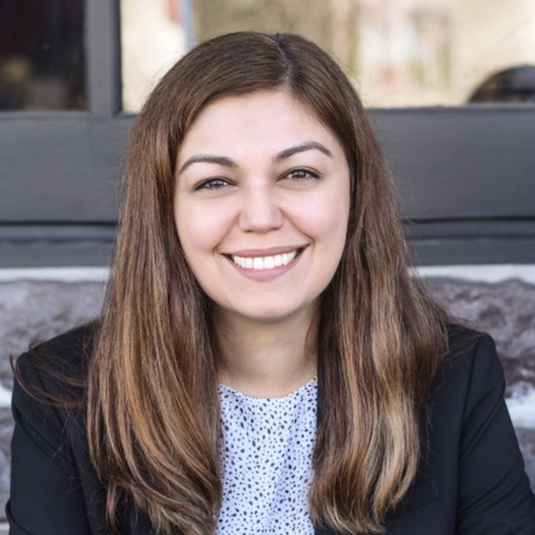
Dr. Parisa Asghari is a dedicated scientist, educator, and certified organizational and educational coach with a PhD in Cell and Developmental Biology from the University of British Columbia and an ICF credential. She brings over 25 years of academic experience, with research that has advanced understanding in cardiovascular health. As both a coach and mentor, she supports individuals and teams in building clarity, collaboration, and purpose. Beyond academia, she is actively engaged in community initiatives that help newcomers and immigrants adapt and thrive, reflecting her lifelong commitment to education, inclusion, and meaningful impact.
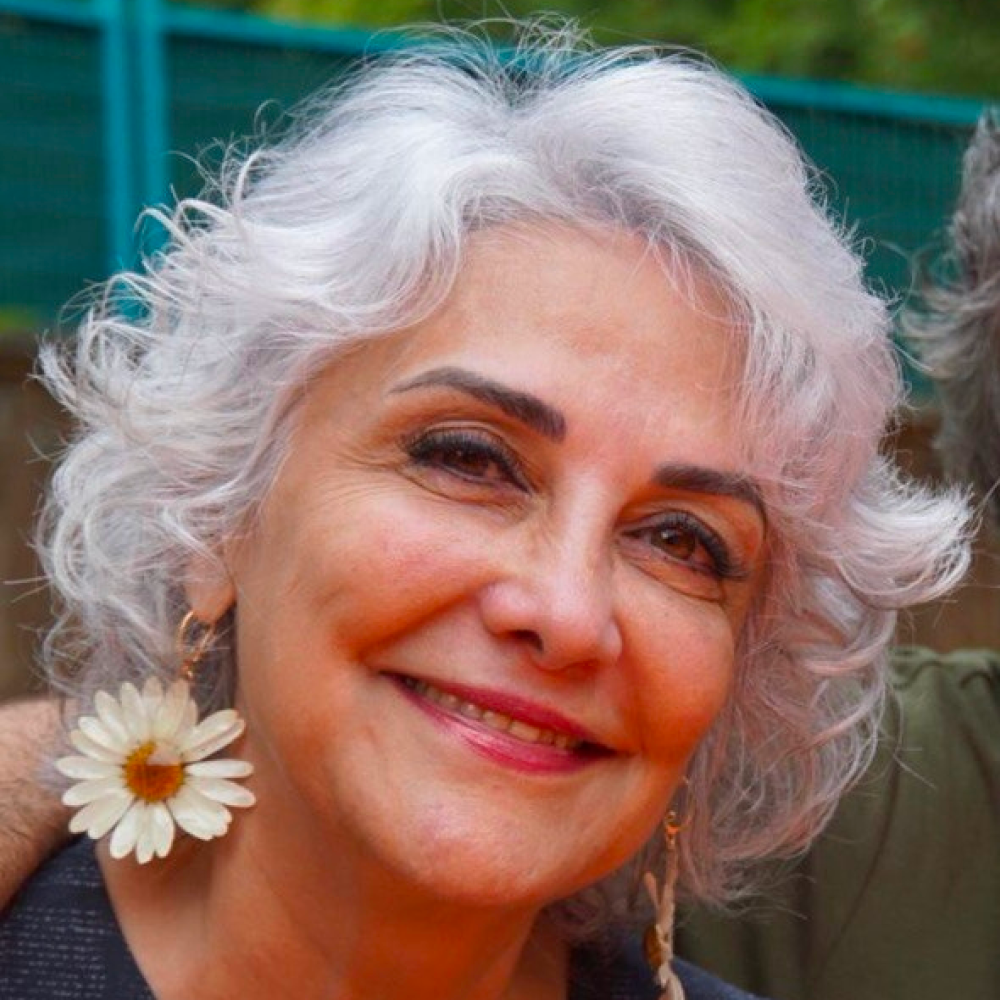
Dr. Sonia Habibian was originally trained as a cardiologist in Iran and immigrated to British Columbia in 2005. After completing her training at UBC, she has focused the past 15 years on addiction medicine and mental health. In her years of practice, she came to a deep understanding that PTSD is often the hidden root of addiction and homelessness. She also witnessed a critical gap in trauma-specific resources. Dr. Habibian strongly believes that early intervention for PTSD can empower individuals, especially youth, to heal and rebuild meaningful lives.

Dr. Saeed Zavareh has been a Clinical Assistant Professor at UBC’s Faculty of Medicine, teaching students and residents since 2011. He practices Internal Medicine in Lower Mainland hospitals, researches Evidence-Based Medicine, and brings seven years of experience in rural and addiction medicine.

Dr. Jafari is a registered psychologist and advisor to Naria Foundation, contributing her expertise to program development and clinical guidance. She is an expert in culturally responsive, evidence-based assessment and treatment of ADHD and related mental health concerns in children, youth, and adults. Her expertise spans a broad range of areas, including anxiety, depression, behavioural challenges, and immigration-related stress, as well as comprehensive psychological assessment (e.g., ADHD, learning disorders, FASD). She brings an integrative, evidence-informed perspective drawing on CBT, DBT, FBT, and mindfulness-based approaches. She is also an adjunct professor at the University of British Columbia and is committed to advancing culturally sensitive care and strengthening programs that support diverse communities.

Dr. Kamyar Keramatian is an advisor to the Naria Foundation. He is an adolescent and adult psychiatrist with Vancouver Coastal Health and an Assistant Professor at the University of British Columbia. His clinical and research work centers on early intervention in mood and psychotic disorders, with a focus on reducing barriers to timely diagnosis and access to care.
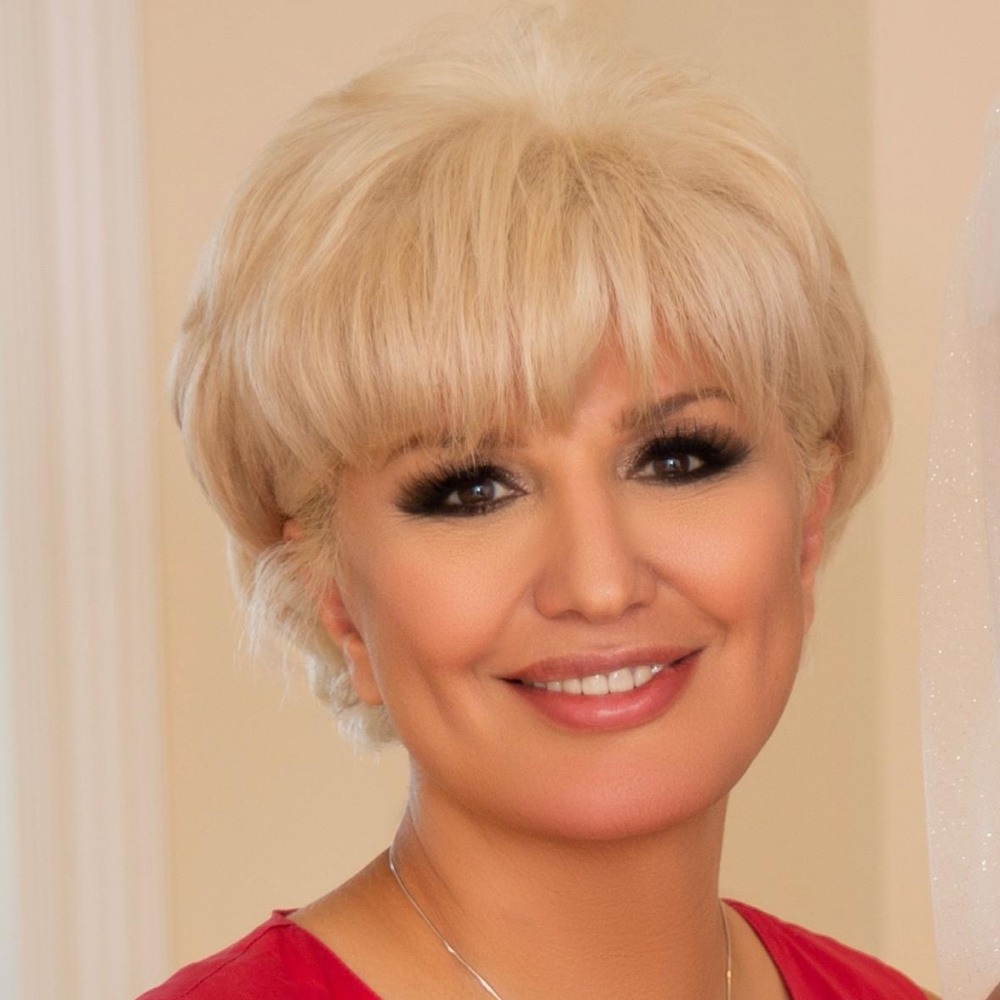
Dr. Shadan Kabiri is a board-certified family physician and aesthetic medicine specialist based in Vancouver. Originally trained as a dermatologist in Iran, she later graduated from the
University of British Columbia and earned a Diploma in Practical Dermatology from Cardiff
University. As a UBC clinical instructor, she is actively involved in teaching and mentoring
future physicians. A dedicated philanthropist, Dr. Kabiri has supported several charitable organizations, including the Lions Gate Hospital Foundation, BC Children’s Hospital, and the Breast Cancer Foundation. Through her work, she continues to promote women’s empowerment and humanitarian values in medicine.